A Cold-Weather Walk Readiness Checklist for Dog Owners
Before you head out in freezing temperatures, run through this practical checklist to make sure your dog is comfortable and protected.
Cold weather walks require a bit more preparation than a summer stroll. The good news is that a short checklist covers most of the bases, and once it becomes routine it takes less than two minutes.
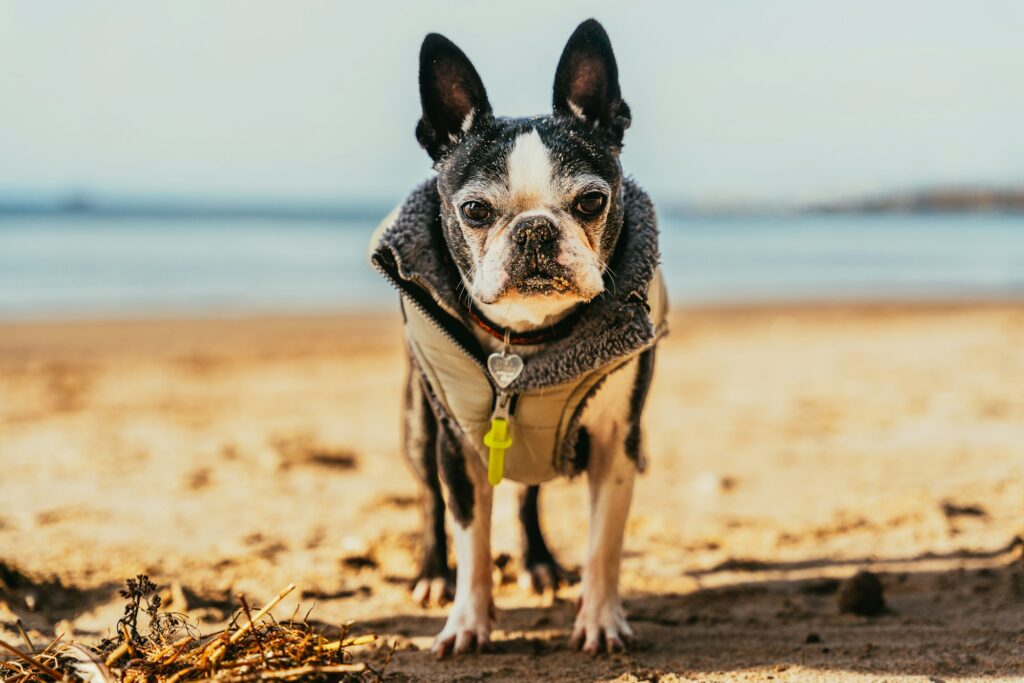
Start with coat check. Run your hand through your dog's fur and feel for any mats or tangles, particularly around the armpits and groin where a jacket's straps will sit. Mats trap moisture and can cause skin irritation under a wet jacket. If you find any, address them before putting on outerwear.
Check paw pads. Cold, dry air and road salt can crack paw pads quickly. Before heading out, look for any existing cracks, redness, or sensitivity. If conditions are icy or salted, consider boots or a paw wax barrier. After the walk, wipe paws with a damp cloth to remove any salt or chemical de-icers.
Assess the temperature and wind chill. Small dogs, short-coated breeds, puppies, seniors, and dogs with health conditions are generally more sensitive to cold. As a general guideline, temperatures below 20°F (-7°C) warrant extra protection for most dogs, and wind chill can make conditions feel significantly colder than the thermometer reads.
Check visibility. In winter, walks often happen in low light — early mornings and evenings get dark quickly. Reflective gear, a light-up collar, or a jacket with reflective trim helps drivers and cyclists see your dog. This is especially important in urban areas.
Keep walks shorter in extreme cold. Even a well-dressed dog can get cold if the walk goes on too long. Watch for signs that your dog wants to head home: lifting paws, slowing down, shivering, or trying to turn back. These are reliable signals that it's time to wrap up.
General education only. This guide is not veterinary advice. For questions about your dog's health, behavior, or medical needs, consult a licensed veterinarian.
More in Cold-Weather Walks.
Paw Protection Options Compared: Boots, Wax, and Socks
Not every dog tolerates boots, and not every situation calls for them. Here's a practical comparison of the main paw protection options.
Read guide →Cold-Weather WalksUnderstanding Your Dog's Coat Type and Cold-Weather Needs
A Husky and a Chihuahua have very different cold-weather needs. Understanding coat types helps you make better decisions about outerwear.
Read guide →Cold-Weather WalksVisibility Gear for Dogs in Low-Light Conditions
Winter means more walks in the dark. Reflective and light-up gear keeps your dog visible to traffic and other pedestrians.
Read guide →Get new guides first.
Join the Pack for new guides, warmth notes, early access, and U.S./U.K. availability updates.