Understanding Dog Body Language: A Practical Primer
Reading your dog's body language accurately helps you respond to their needs and avoid misunderstandings. Here are the basics.
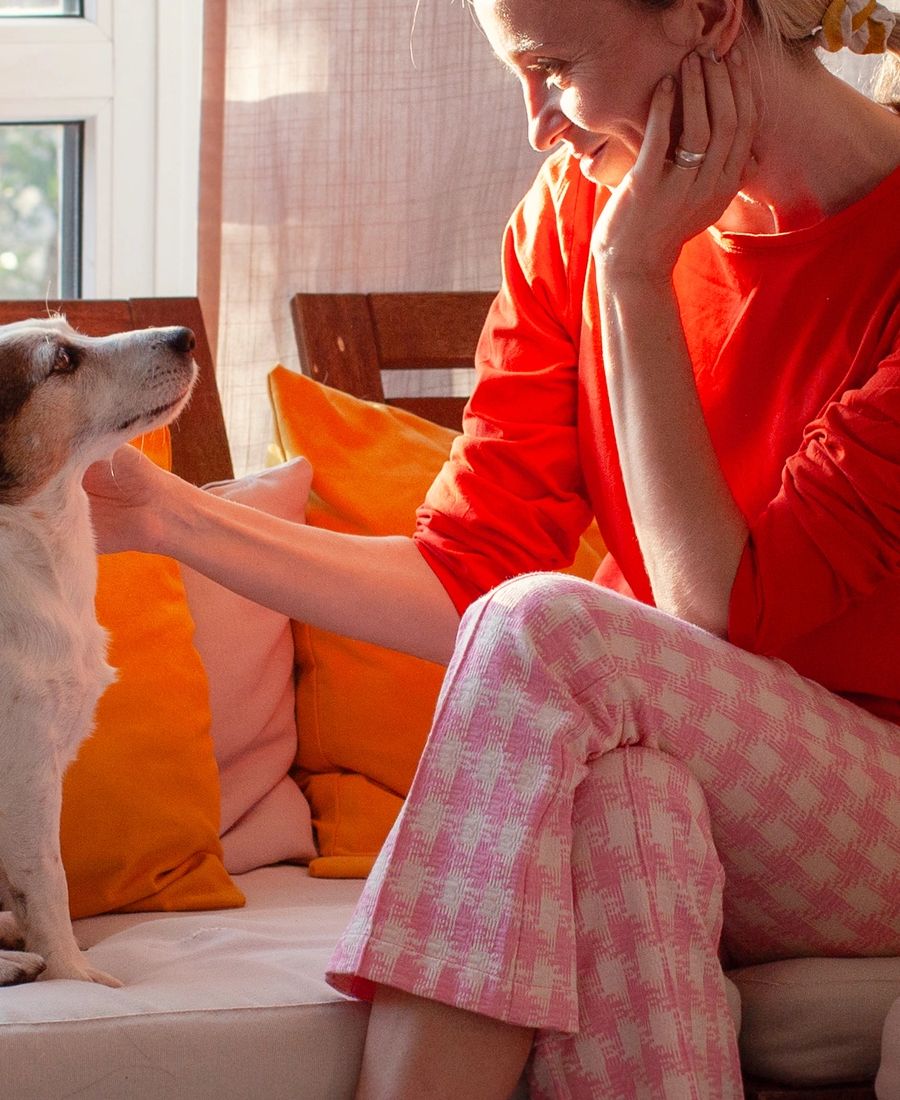
Dogs communicate constantly through body language, and learning to read the signals accurately makes you a more responsive and effective owner. The basics are accessible to anyone — you don't need formal training to understand what your dog is telling you.
A relaxed dog has a loose, wiggly body, soft eyes, and a tail that wags in a broad, sweeping motion. The mouth may be slightly open. This is the baseline — a dog who is comfortable and at ease in their environment.
Stress signals are often subtle and easy to miss. Yawning when not tired, lip licking, looking away, blinking slowly, and shaking off as if wet are all calming signals — ways a dog communicates that they're uncomfortable and trying to de-escalate a situation. These signals often precede more obvious signs of stress.
A stiff, still body is a warning sign. A dog who suddenly becomes very still — freezing in place, with a rigid posture and a hard, fixed gaze — is communicating discomfort or a potential threat response. This is a signal to give the dog space and remove whatever is causing the tension.
Tail position and movement carry a lot of information. A high, stiff tail indicates arousal or alertness. A low or tucked tail indicates fear or submission. A broad, loose wag indicates happiness. A high, rapid wag can indicate excitement but also arousal that isn't necessarily friendly. Read the tail in context with the rest of the body.
Context matters enormously. The same behavior can mean different things in different situations. A dog who rolls onto their back during play is inviting more play; a dog who rolls onto their back when approached by a stranger may be showing appeasement. Read the whole picture — body, tail, face, and context — rather than any single signal in isolation.
General education only. This guide is not veterinary advice. For questions about your dog's health, behavior, or medical needs, consult a licensed veterinarian.
More in Enrichment & Routines.
Indoor Enrichment Ideas for Cold Days When Walks Are Short
When the weather keeps walks brief, indoor enrichment activities can help keep your dog mentally engaged and physically comfortable.
Read guide →Enrichment & RoutinesBuilding a Consistent Daily Routine for Your Dog
Dogs thrive on predictability. A consistent daily routine reduces anxiety, supports good behavior, and makes life easier for both of you.
Read guide →Enrichment & RoutinesHome Routines That Work for Dogs and Their People
The best home routines for dogs are ones that fit naturally into your life. Here's how to build habits that stick.
Read guide →Get new guides first.
Join the Pack for new guides, warmth notes, early access, and U.S./U.K. availability updates.