

Dear Sir or Madam,
Every winter the same question comes up at the door: is it too cold to take the dog out? The honest answer is that it depends on the dog: size, coat, age and health matter as much as the number on the thermometer. Veterinarians do give clear guardrails, though, and once you know them the decision takes seconds.
The temperature guardrails vets use
Dr. Aly Cohen of Cornell’s Riney Canine Health Center lays out a simple scale (via NBC News Select):
- 45°F to 32°F: some dogs start to feel uncomfortable. Keep walks normal, but watch for the warning signs below.
- 32°F and below: it’s time to limit outdoor time for all dogs.
- Below 20°F: brief bathroom breaks only.
Wind, wet snow and freezing rain make any of these numbers feel colder, so treat a windy 35°F like a still 30°F.
Which dogs get cold first
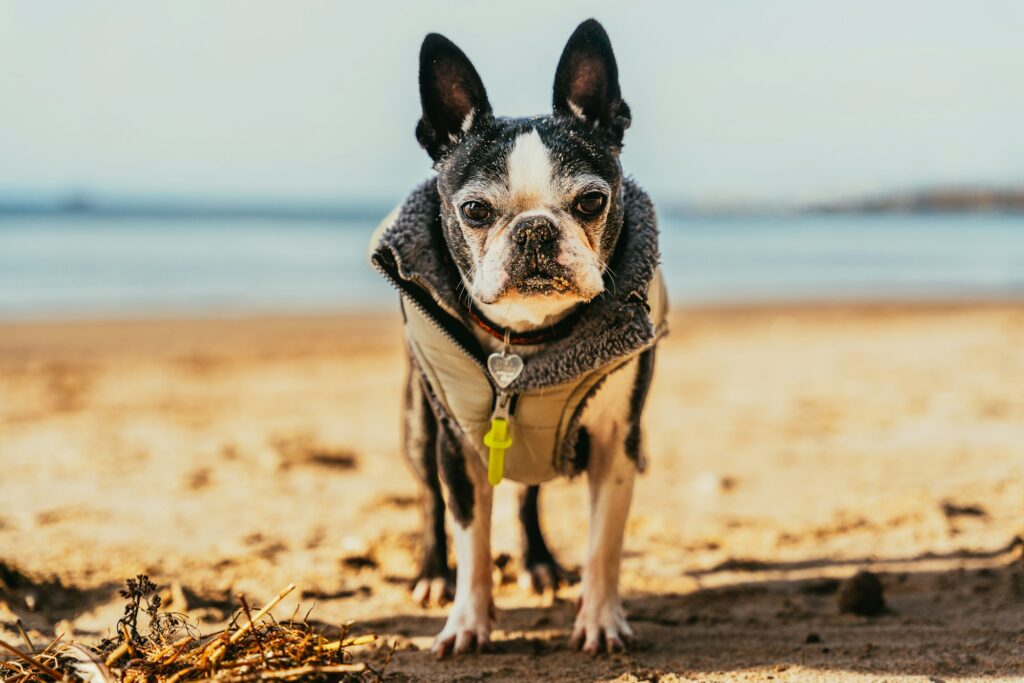
- Small breeds and short or thin coats: Chihuahuas, Greyhounds, Whippets, Dachshunds, French Bulldogs and similar dogs lose heat fastest.
- Puppies, who can’t regulate their body temperature well yet.
- Seniors, who have a slower metabolism and less muscle mass to generate heat.
- Dogs with medical conditions such as heart, kidney or endocrine disease.
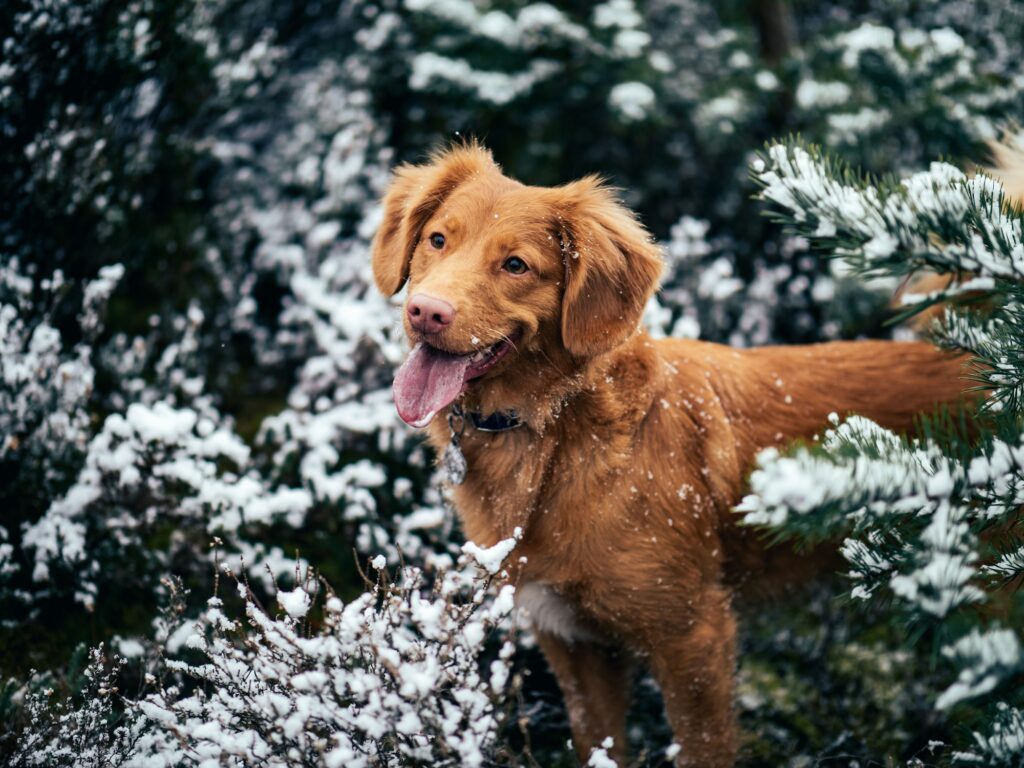
A big, thick-coated dog isn’t automatically fine either. Even northern breeds benefit from a water-resistant layer in sleet and freezing rain, because a soaked coat stops insulating.
Warning signs your dog is too cold
- Lifting paws again and again, or refusing to keep walking
- Shivering or shaking
- A hunched posture or a tail tucked tight
- Whining, barking or anxious pacing at the door
If you see these, head home, dry your dog off and warm them gradually. Lethargy, pale or grey skin on the ears, tail or paws, or confusion can mean hypothermia or frostbite. Call your veterinarian right away.
Try it: the Pupwear Walk Check
Enter today’s temperature and tell us about your dog.
Five habits that make winter walks easy
- Walk at the warmest part of the day, usually late morning to early afternoon.
- Go shorter and more often rather than one long walk.
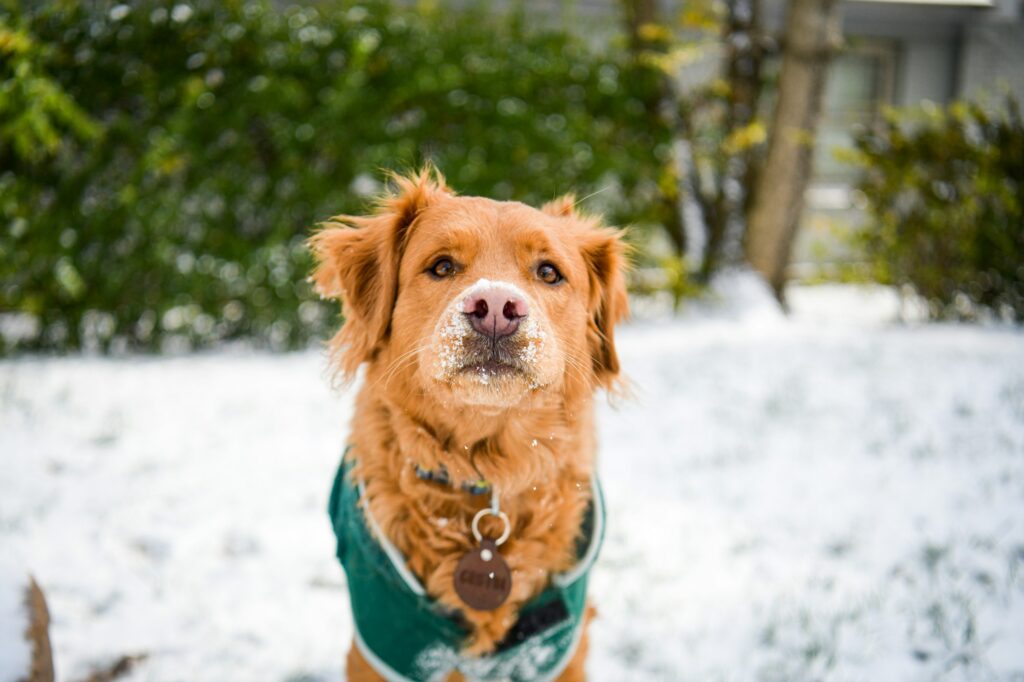
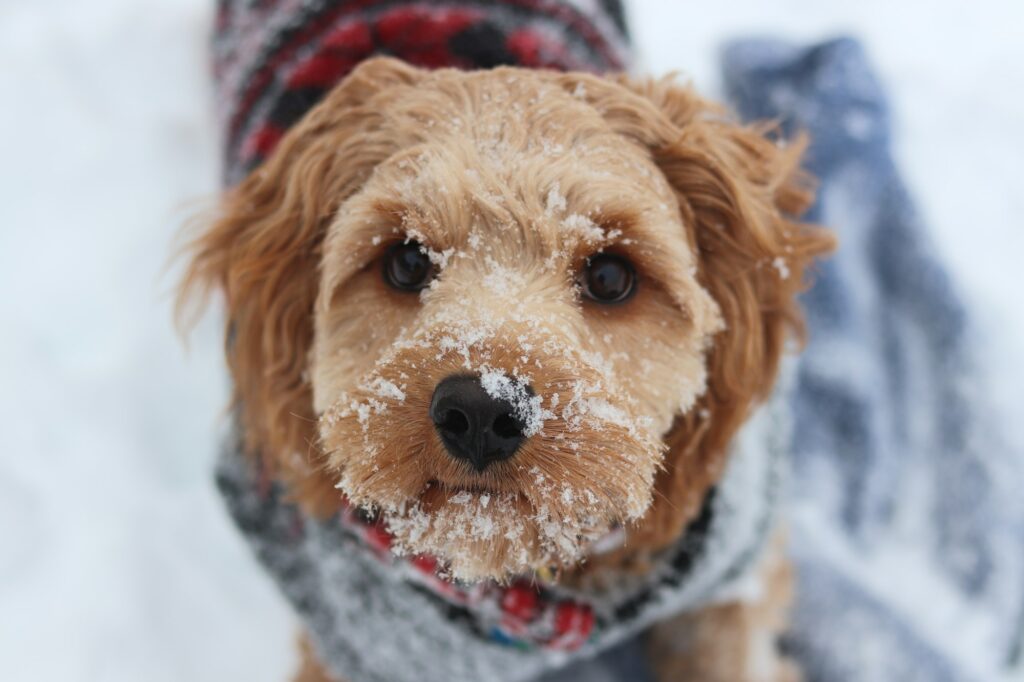
- Dress the dogs who need it: small, short-coated, young, old or unwell dogs, and anyone in sleet.
- Protect paws. Ice melt and road salt are a real hazard (see our paw-safety guide).
- Towel off at the door. A wet dog chills fast, even indoors.
Pupwear builds cold-weather wear for dogs who feel the season. This guide is general information; your veterinarian knows your dog best.






Leave a Reply