Understanding Your Dog's Coat Type and Cold-Weather Needs
A Husky and a Chihuahua have very different cold-weather needs. Understanding coat types helps you make better decisions about outerwear.
Not all dogs need a jacket in cold weather, and some dogs are actually better off without one. The key variable is coat type. Understanding the basics helps you make a more informed decision about when outerwear is genuinely useful versus when it's more for your peace of mind than your dog's comfort.
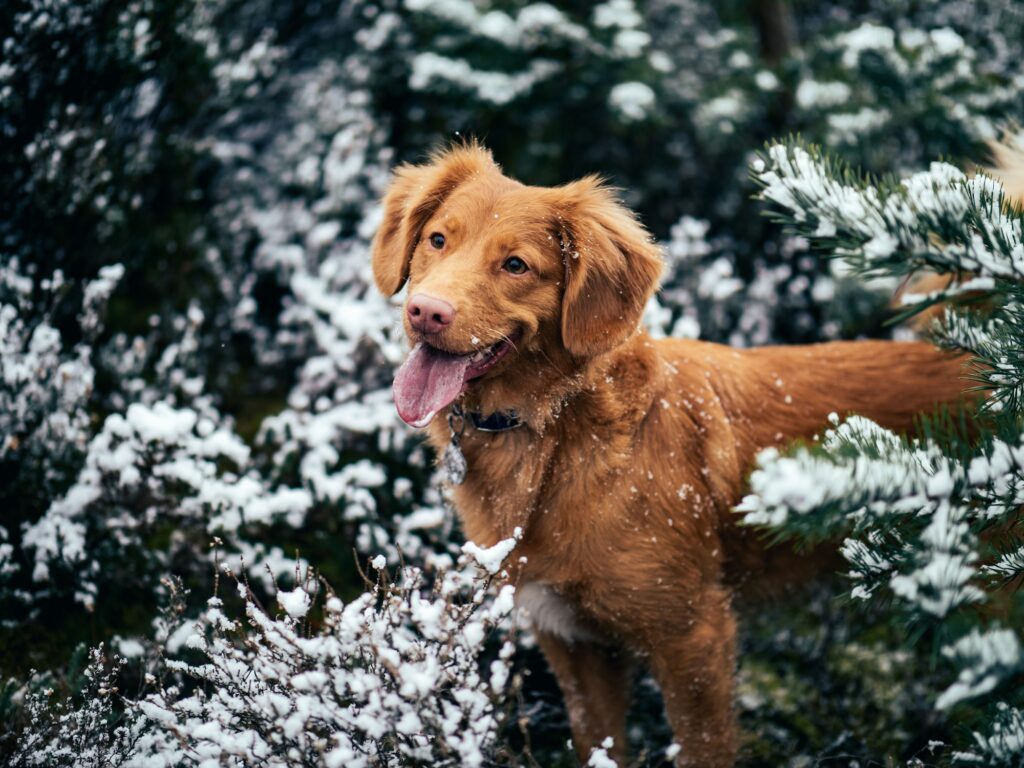
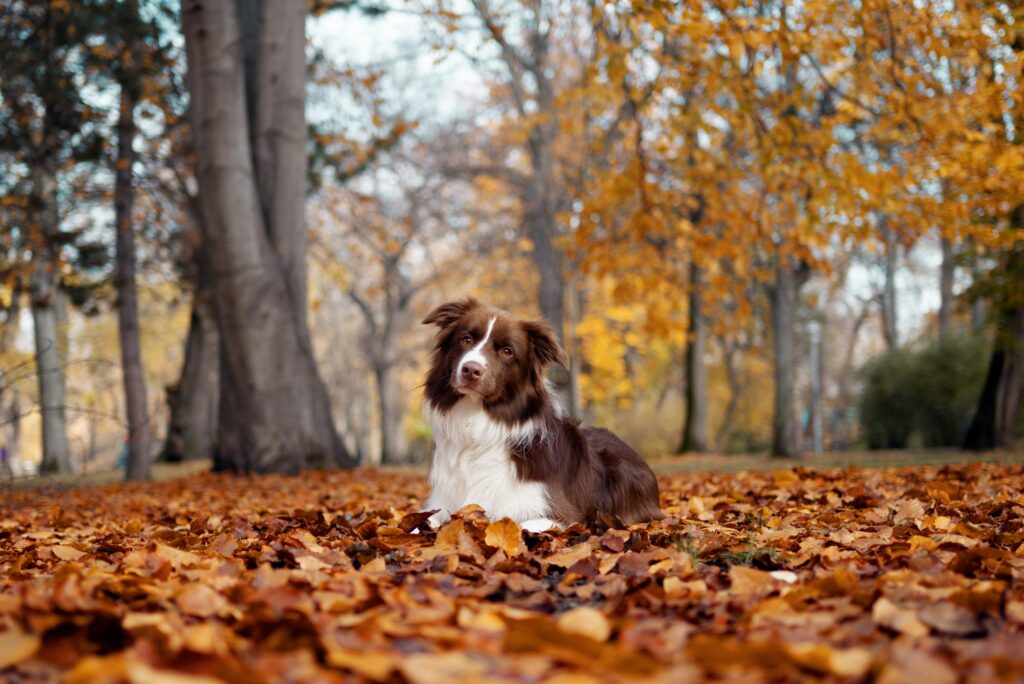
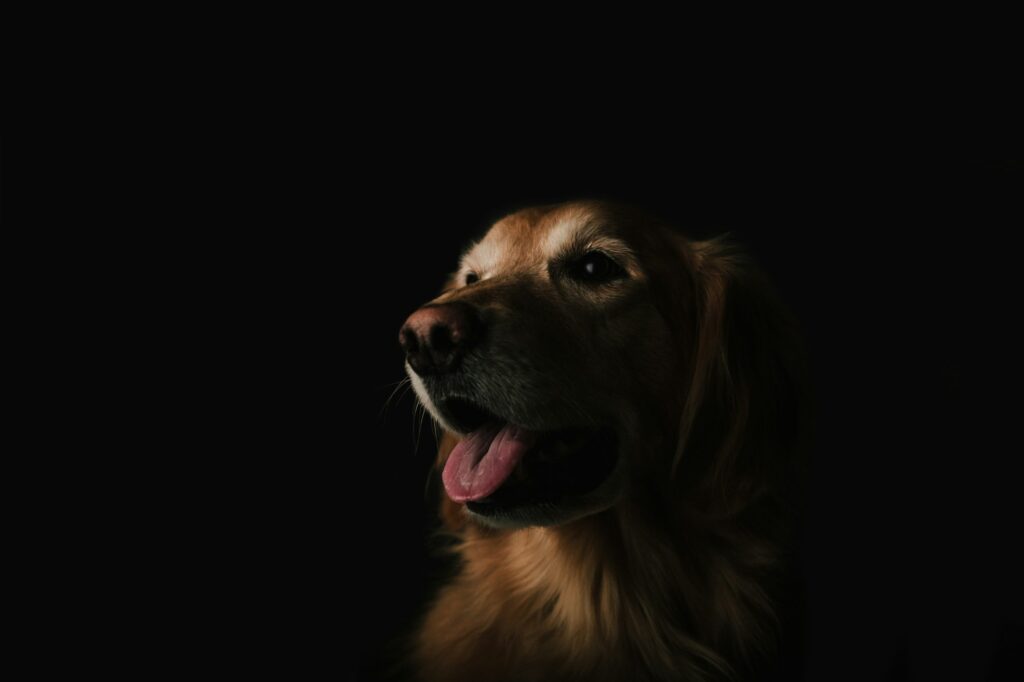
Double-coated breeds — Huskies, Malamutes, Golden Retrievers, German Shepherds, and many others — have a dense undercoat that provides significant natural insulation. These dogs are generally well-equipped for cold weather and may actually overheat in a jacket. If you have a double-coated dog, focus on paw protection rather than a jacket for most winter conditions.
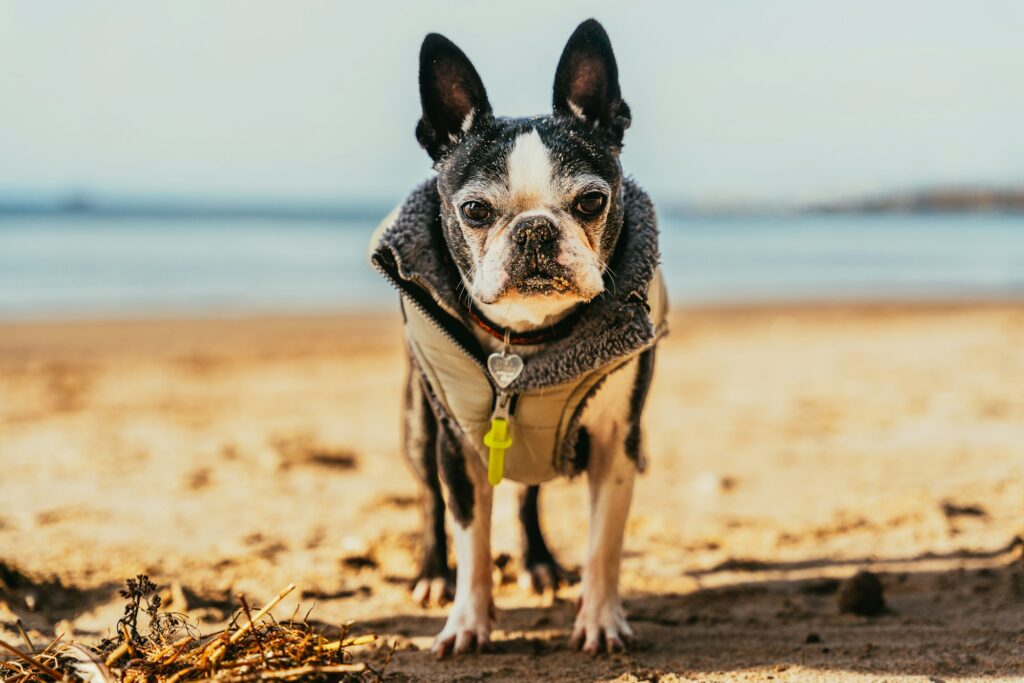
Single-coated breeds with short, fine fur — Greyhounds, Whippets, Boxers, Dobermans, Vizslas, and similar breeds — have minimal natural insulation and genuinely benefit from a jacket in cold weather. These dogs lose body heat quickly and can become uncomfortable in temperatures that a double-coated dog would find mild.
Small dogs of any coat type tend to lose heat more quickly than large dogs due to their higher surface-area-to-body-mass ratio. A small dog with a short coat is among the most cold-sensitive, while a large double-coated dog is among the most cold-tolerant. Size and coat type together tell the full story.
Age and health also matter. Puppies and senior dogs regulate body temperature less efficiently than healthy adult dogs. Dogs with certain health conditions may also be more sensitive to cold. If you're unsure whether your dog needs extra warmth, your veterinarian is the right person to ask.
Watch your dog's behavior in the cold as the most reliable guide. A dog who is comfortable will move freely, sniff with interest, and show normal energy. A dog who is cold will slow down, lift their paws, hunch their back, or try to turn toward home. These behavioral cues are more informative than any general guideline.
General education only. This guide is not veterinary advice. For questions about your dog's health, behavior, or medical needs, consult a licensed veterinarian.
More in Cold-Weather Walks.
A Cold-Weather Walk Readiness Checklist for Dog Owners
Before you head out in freezing temperatures, run through this practical checklist to make sure your dog is comfortable and protected.
Read guide →Cold-Weather WalksPaw Protection Options Compared: Boots, Wax, and Socks
Not every dog tolerates boots, and not every situation calls for them. Here's a practical comparison of the main paw protection options.
Read guide →Cold-Weather WalksVisibility Gear for Dogs in Low-Light Conditions
Winter means more walks in the dark. Reflective and light-up gear keeps your dog visible to traffic and other pedestrians.
Read guide →Get new guides first.
Join the Pack for new guides, warmth notes, early access, and U.S./U.K. availability updates.