Enrichment for Senior Dogs: Adapting Activities as Your Dog Ages
Senior dogs benefit from enrichment just as much as younger dogs, but the activities need to be adapted to their changing physical and cognitive needs.
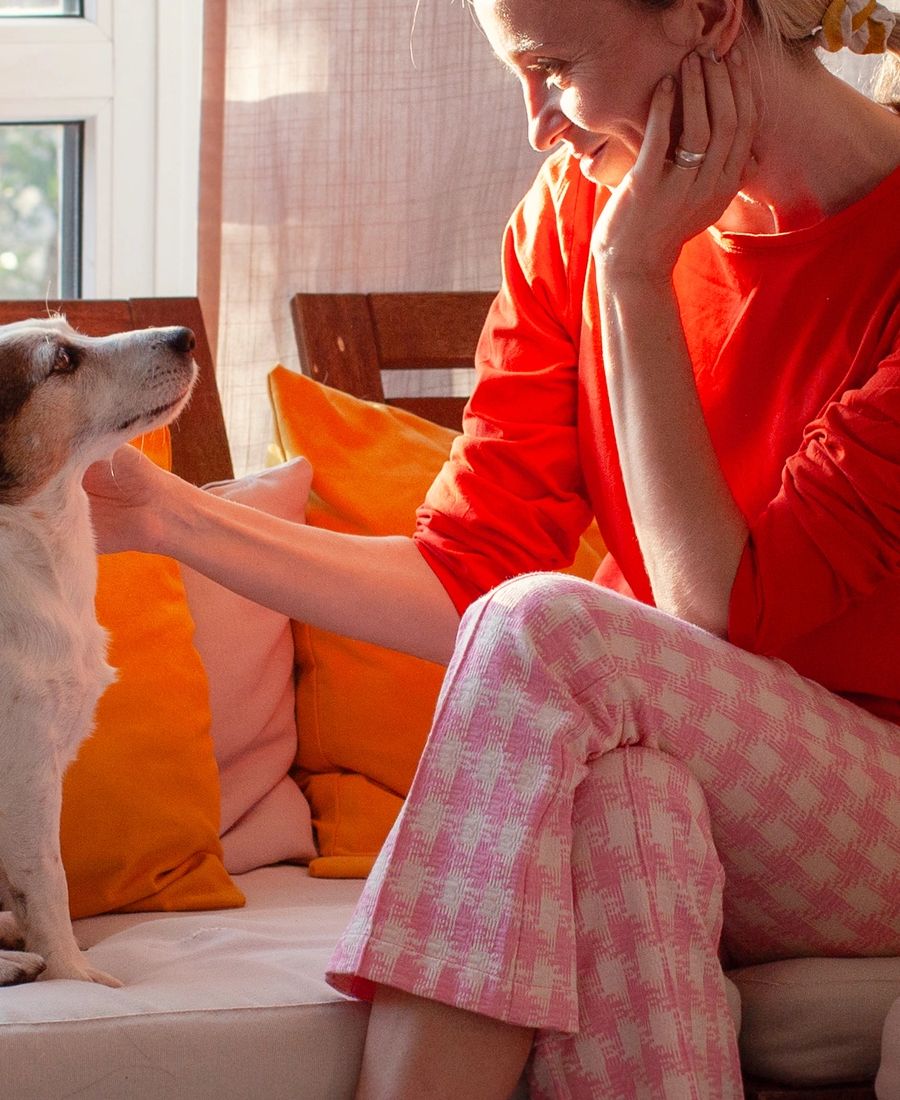
Senior dogs often get less enrichment than younger dogs, partly because their owners assume they need less stimulation as they slow down. In reality, mental enrichment remains important throughout a dog's life, and adapting activities to a senior dog's abilities can significantly improve their quality of life.
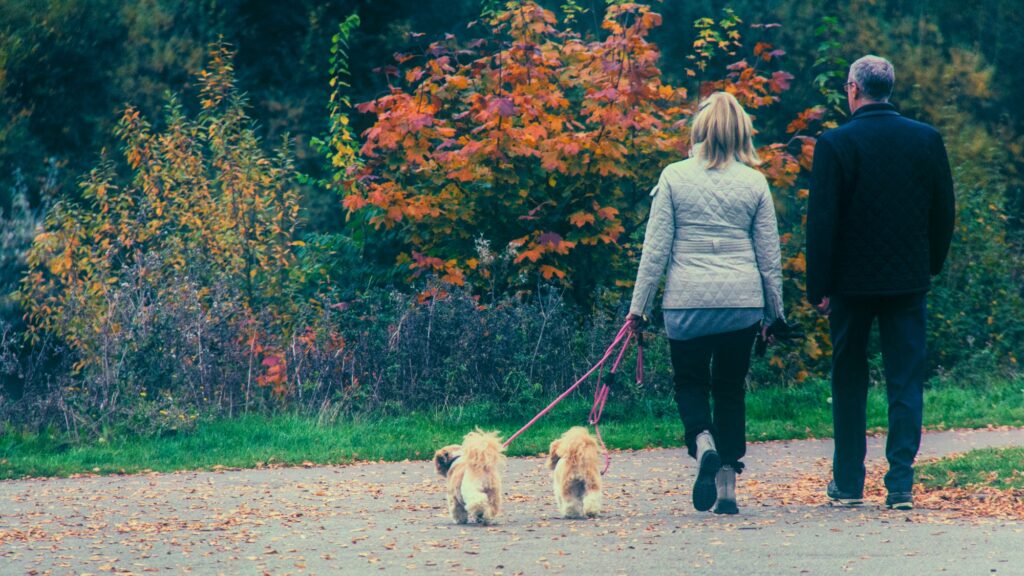
Reduce physical intensity without eliminating activity. A senior dog who can no longer manage a long hike may still enjoy a slow sniff walk — a walk where the pace is set by the dog's nose rather than a destination. Sniff walks are mentally stimulating and physically gentle, making them ideal for older dogs.
Adapt puzzle feeders to your dog's current abilities. A puzzle that was appropriate at age three may be frustrating for a dog with arthritis or reduced cognitive function at age twelve. Easier puzzles that still require some engagement are better than ones that cause frustration or are abandoned.
Gentle training sessions remain valuable. Short, positive training sessions keep a senior dog's mind active and maintain the bond between dog and owner. Focus on known commands rather than new skills, keep sessions to five minutes or less, and end on a success.
Prioritize comfort. Senior dogs often have joint pain, reduced mobility, or other physical changes that affect their comfort. Orthopedic bedding, ramps instead of stairs, and warm sleeping areas are practical investments. A dog who is physically comfortable is more able to engage with enrichment activities.
Pay attention to changes in behavior or engagement. A senior dog who suddenly loses interest in activities they previously enjoyed may be experiencing pain or cognitive changes. These observations are worth sharing with your veterinarian, who can assess whether there's an underlying issue that can be addressed.
General education only. This guide is not veterinary advice. For questions about your dog's health, behavior, or medical needs, consult a licensed veterinarian.
More in Enrichment & Routines.
Indoor Enrichment Ideas for Cold Days When Walks Are Short
When the weather keeps walks brief, indoor enrichment activities can help keep your dog mentally engaged and physically comfortable.
Read guide →Enrichment & RoutinesBuilding a Consistent Daily Routine for Your Dog
Dogs thrive on predictability. A consistent daily routine reduces anxiety, supports good behavior, and makes life easier for both of you.
Read guide →Enrichment & RoutinesHome Routines That Work for Dogs and Their People
The best home routines for dogs are ones that fit naturally into your life. Here's how to build habits that stick.
Read guide →Get new guides first.
Join the Pack for new guides, warmth notes, early access, and U.S./U.K. availability updates.