What to Expect from Your First Winter with a Dog
First-time dog owners often underestimate how much winter changes the daily routine. Here's what to expect and how to prepare.
Your first winter with a dog is a learning experience. The daily routine that worked in summer needs adjustment, and there are a few things that catch first-time winter dog owners off guard. Here's what to expect.
Walks take longer to prepare for. In summer, you grab a leash and go. In winter, you may need to put on a jacket, check paw pads, apply paw wax or put on boots, and check the temperature before heading out. This adds five to ten minutes to every walk. Build that time into your schedule so you're not rushing.
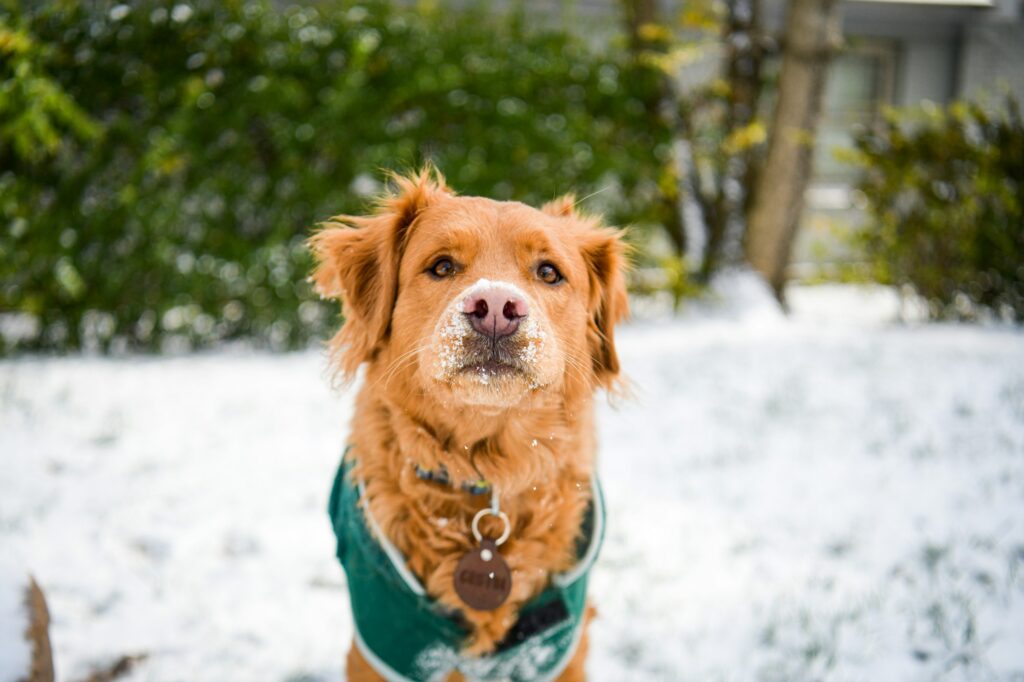
Your dog may react differently to cold than you expect. Some dogs love snow and cold weather and become more energetic in winter. Others are clearly uncomfortable and want to head home quickly. You'll learn your dog's preferences in the first few cold walks, and you can adjust your approach accordingly.
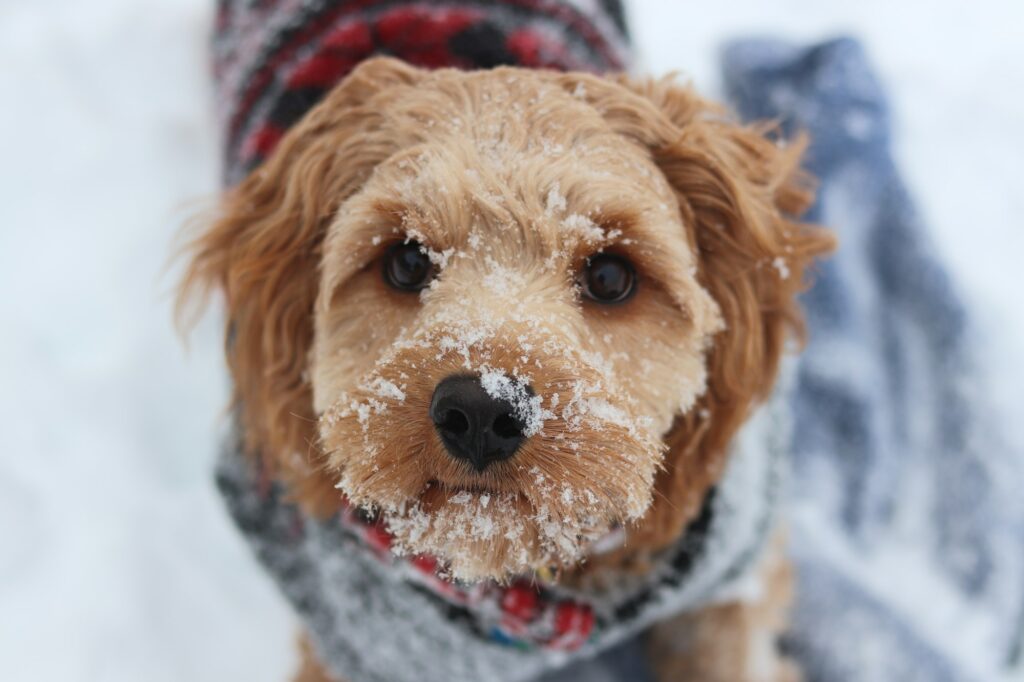
Post-walk cleanup becomes more involved. Wet paws, snow-covered fur, and road salt all need attention after a winter walk. A towel by the door, a paw-wiping routine, and a quick check for ice balls between the toes become part of the post-walk ritual. It takes a few minutes but prevents salt irritation and keeps your floors cleaner.
Indoor enrichment becomes more important. On very cold days or during storms, outdoor walks may be shorter than usual. Having a repertoire of indoor enrichment activities — puzzle feeders, scent games, training sessions — helps keep your dog mentally stimulated when outdoor time is limited.
Your dog's coat may change. Many dogs develop a thicker winter coat, which means more shedding in spring. Regular brushing through the winter helps manage shedding and keeps the coat in good condition. It's also a good time to check for any skin issues that can develop under a thick winter coat.
General education only. This guide is not veterinary advice. For questions about your dog's health, behavior, or medical needs, consult a licensed veterinarian.
More in Cold-Weather Walks.
A Cold-Weather Walk Readiness Checklist for Dog Owners
Before you head out in freezing temperatures, run through this practical checklist to make sure your dog is comfortable and protected.
Read guide →Cold-Weather WalksPaw Protection Options Compared: Boots, Wax, and Socks
Not every dog tolerates boots, and not every situation calls for them. Here's a practical comparison of the main paw protection options.
Read guide →Cold-Weather WalksUnderstanding Your Dog's Coat Type and Cold-Weather Needs
A Husky and a Chihuahua have very different cold-weather needs. Understanding coat types helps you make better decisions about outerwear.
Read guide →Get new guides first.
Join the Pack for new guides, warmth notes, early access, and U.S./U.K. availability updates.