The Case for Slowing Down on Walks
A slower walk that lets your dog sniff and explore is often more satisfying than a brisk one. Here's the thinking behind the sniff walk.
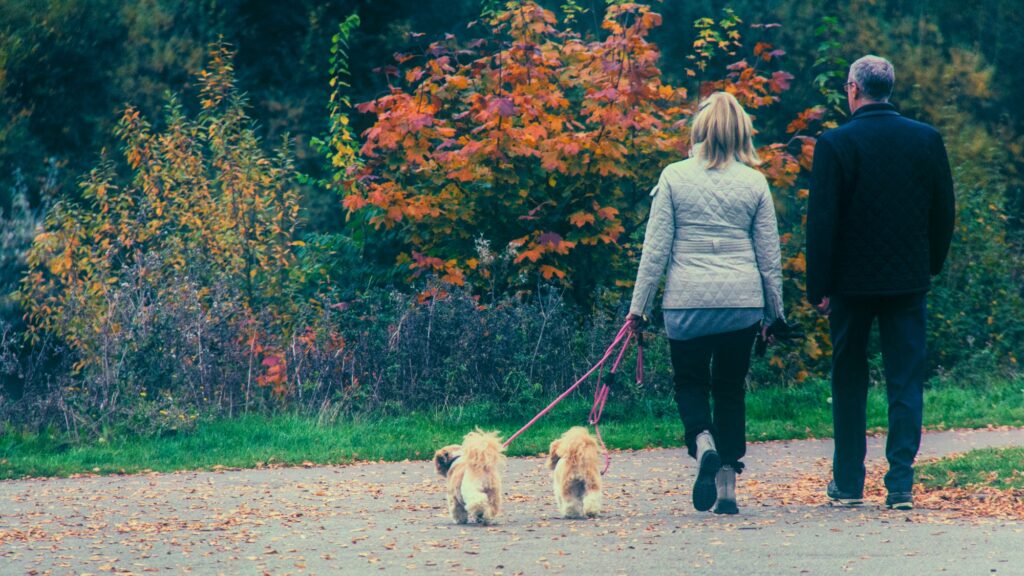
Most dog walks are designed around human convenience — a set route, a brisk pace, a destination. The dog gets exercise, which is valuable, but the walk is fundamentally structured around the owner's schedule rather than the dog's needs. The sniff walk is a different approach.
The sniff walk is simple: you follow your dog's nose. Your dog leads, stops when they want to stop, sniffs for as long as they want, and moves on when they're ready. Your job is to hold the leash and stay patient. The walk may cover less ground than usual, but the experience is richer.
Sniffing is genuinely tiring for dogs. The mental effort of processing complex scent information is cognitively demanding. A dog who has had a good sniff walk often seems more settled and content than one who has had a longer but less engaging walk. This is particularly useful on days when physical exercise is limited.
Sniffing is also calming. Research on dog behavior suggests that sniffing lowers heart rate and reduces stress. For anxious dogs, a walk that prioritizes sniffing over pace can be genuinely therapeutic. It's one of the reasons that sniff walks are often recommended as part of a management plan for reactive or anxious dogs.
You don't have to do every walk as a sniff walk. A mix of brisk walks for physical exercise and slower sniff walks for mental enrichment covers both bases. Even dedicating the last five minutes of a regular walk to letting your dog sniff freely is a meaningful addition.
The sniff walk requires patience, especially at first. If you're used to covering distance, standing still while your dog investigates a patch of grass for three minutes can feel unproductive. It isn't. Your dog is doing something genuinely valuable, and giving them the time to do it is one of the simplest and most effective things you can do for their wellbeing.
General education only. This guide is not veterinary advice. For questions about your dog's health, behavior, or medical needs, consult a licensed veterinarian.
More in Enrichment & Routines.
Indoor Enrichment Ideas for Cold Days When Walks Are Short
When the weather keeps walks brief, indoor enrichment activities can help keep your dog mentally engaged and physically comfortable.
Read guide →Enrichment & RoutinesBuilding a Consistent Daily Routine for Your Dog
Dogs thrive on predictability. A consistent daily routine reduces anxiety, supports good behavior, and makes life easier for both of you.
Read guide →Enrichment & RoutinesHome Routines That Work for Dogs and Their People
The best home routines for dogs are ones that fit naturally into your life. Here's how to build habits that stick.
Read guide →Get new guides first.
Join the Pack for new guides, warmth notes, early access, and U.S./U.K. availability updates.